
TL;DR
- One proposal: a three-month, six-month and one-year version of the same offer can share one proposal template.
- Variables: amount, duration and the client's name change; the system fills them in.
- The offer: the template is your offer standardized, and your pricing book sets the price.
- The meeting: ask the questions in the meeting that the system will pick up from the transcript.
- The recap: say the next steps out loud before the meeting ends, then review the draft the system sends back.
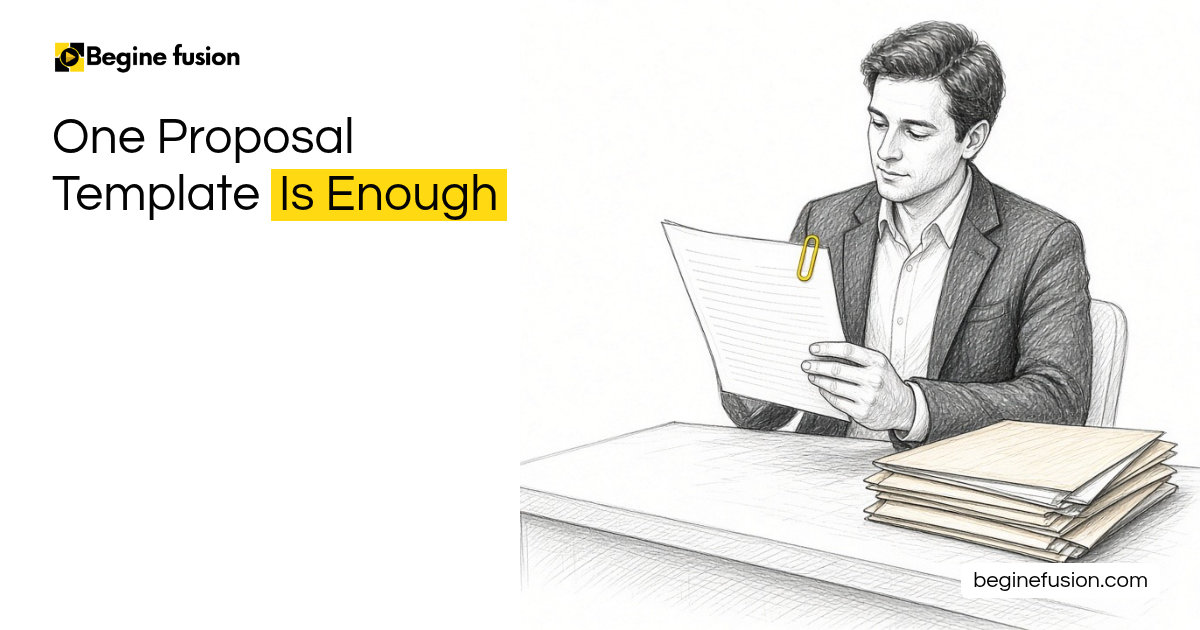
Say you have one offer in three lengths: three months, six months and one year. You might think that means three proposal templates. One proposal is enough.
Three lengths, one proposal
Client A is three months. Client B is six months. Client C is one year. The system is smart enough to know which is which and fill in the difference.

You keep one template for each service. You skip the copies of the same proposal with different durations.
The changing parts are variables
Amount, duration and the name of the client are the variables the system has to populate. If you are working with a client at a different price point or a different version, it knows to fill those in.
The template is your offer standardized
The template says: this is what we are offering, and this is the pricing. Your pricing book holds your pricing method, such as what you charge when you work with a certain type of client. Our post on documenting your pricing before the sales system covers that book.
The template only needs major sections: an executive summary, the client’s problem and your solution, the pricing, and the next steps.
Ask the questions the system will pick up
The proposal is generated from the data in your meeting. That is why the agenda and the flow of the meeting matter. With your note taker running, say the things and ask the questions the system will pick up later to work out what comes next.

Recap the next steps before the meeting ends
Do a recap at the end of the meeting of what comes next. We are done, so here are the next steps: I am going to send you a proposal for our one-on-one engagement for three months, and I will send you an invoice for that.
The system reads those lines once the transcript is available. Our post on booking the next meeting before the call ends covers the rest of that close.
Review the draft it sends back
When the proposal is ready, the system sends you the draft to review. You read it, fix what needs fixing and send it.

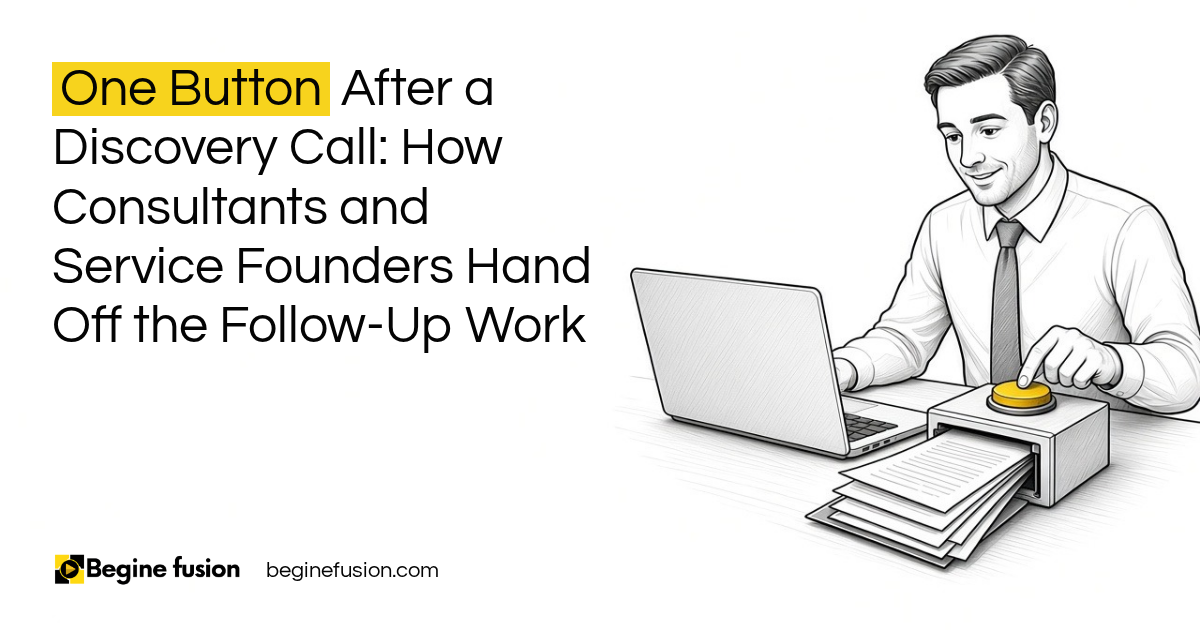
You can use Zoho Books for the invoice that follows. Our post on one button after a discovery call shows the same flow running from a single click.

If you need invoicing after the proposal: Try Zoho Books.
Takeaways and next steps
- One proposal template covers every length of the same offer.
- Amount, duration and client name are variables the system fills.
- The template is your offer standardized; the pricing book sets the price.
- Ask the questions in the meeting that the system will pick up.
- Recap the next steps out loud, then review the draft.
Common mistakes with proposal templates
1. Keeping a template for each length of the same offer.
Why it fails: Every change to the offer has to be made in three places.
Better approach: Keep one template and let the variables change.
2. Ending the meeting without a recap.
Why it fails: The system has no clear next steps to read from the transcript.
Better approach: Say the next steps out loud before you hang up.
3. Sending the generated proposal without reading it.
Why it fails: A wrong amount or duration goes to the client.
Better approach: Review the draft the system sends back.
Frequently asked questions
How many proposal templates do I need?
One for each service. Different lengths and prices of the same service are variables in one template.
What are the variables in a proposal?
Amount, duration and the client's name, plus anything else that changes from client to client.
Where does the system get the details?
From your meeting transcript, so ask the questions and recap the next steps out loud.
What sections does the template need?
An executive summary, the client's problem and your solution, the pricing, and the next steps.
Do I still review the proposal?
Yes. The system sends you the draft to review before it goes to the client.
Glossary
- Proposal template
- One standard document for a service, with blanks for the parts that change.
- Variable
- A part of the proposal that changes per client, such as amount, duration or name.
- Pricing book
- The written record of what you charge and how you decide it.
- Recap
- A short spoken summary of next steps at the end of a meeting.


 The Back-Office AI List for Owners Whose Clients Want a Person
 AI Readiness Checklist: 7 Questions Before You Build