

TL;DR
- Value first: when people see that what you bring is a lot of value for them, they make sure to get the money they need to make it happen.
- Define it: ask the buyer how they define value and return on investment for the project.
- Count it: factor in the savings on the existing tech stack and the time they get back from a better system.
- Track it: everything in the project can be tracked down to the bottom line.
- Best fit: look for the best solution for the buyer, ahead of the cheapest one.
Here is what I have come to see. When people see that what you are bringing is a lot of value for them, they make sure to get the money they need to make it happen. When they understand that a project will move the business forward, finance to get it done stops being the stumbling block.
Ask how they define value
Ask the buyer directly: what is the return on investment and value to you? How do you define it? Which result would make you call this good value?
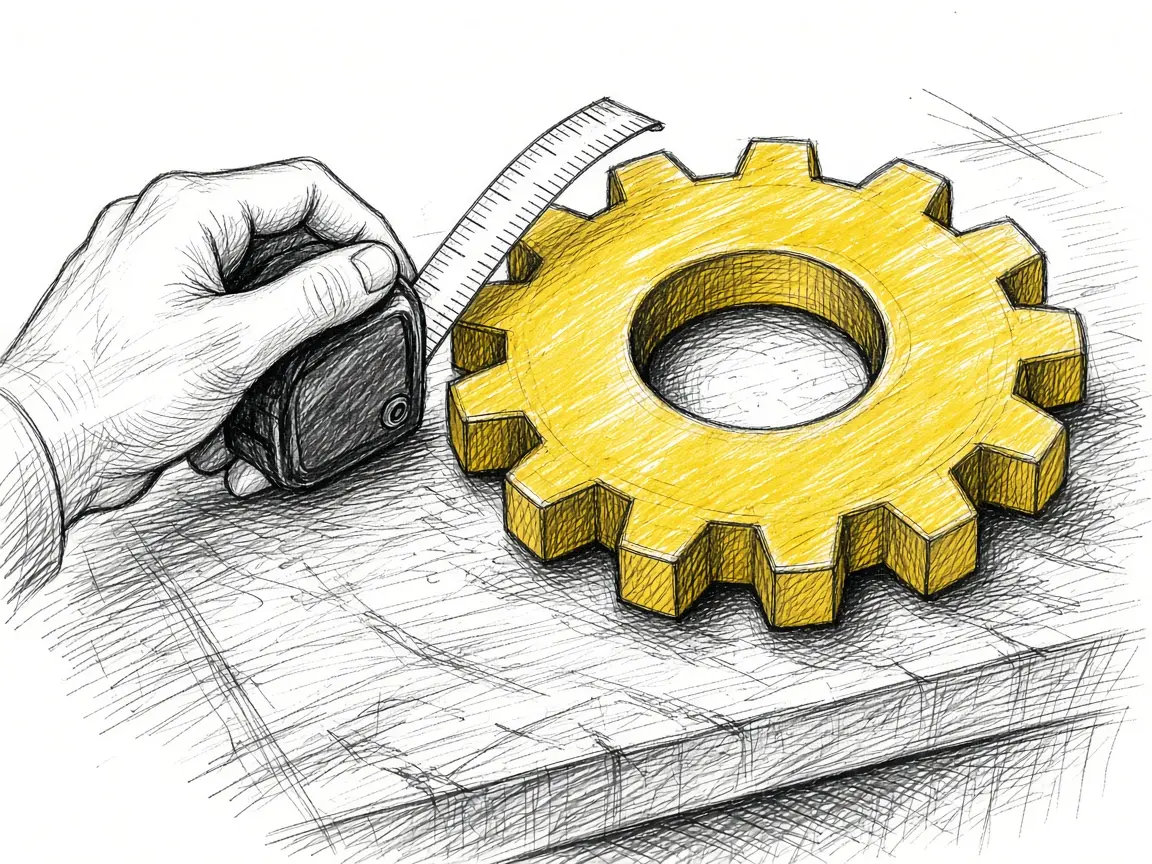
Most buyers answer with the cost to implement and how much they can make back from it. That is a good start, and there is more to add to it. Our post on the questions in your sales process covers more questions to ask early.
Count the savings and the time back
In calculating the return, also factor in how much the buyer is going to save on their existing tech stack. After that, factor in how much time they get back from a better functioning system and its automation.
Here is an example. Say someone spends 40 hours a week on one particular task, and the new system drops that to 2 hours. That is 38 hours saved every week. What is that time worth to them?
Put all of those together: the cost of the implementation, the money saved on technology going forward and the time saved.
Track it to the bottom line
We present the facts. The project helps the team get more done, and that helps the bottom line. Everything we are doing can be tracked down to the bottom line.

By the time the buyer looks at everything together and does the calculations, they can judge for themselves whether it is a worthy investment. Our post on fixed fee projects covers how a fixed price makes that calculation easier.
Look for the best solution, ahead of the cheapest
I get this every time, and it is expected that a buyer thinks this way. They need to get value for a fair price.
What we always look at is the best solution for them, ahead of the cheapest. A cheaper tool may give them a CRM and stop there. Ask what else it gives them, and compare that with everything they need. Our post on documenting your pricing covers how to set your prices out clearly before you build a sales system.
When they see the value, the budget moves
I have had people go and ask for approval for something that was out of budget. They said, we want to do this, hold on, let me go back to the board and get approval for more money.

They did it because they saw that it was valuable. They needed to get it done, so they looked for the money one way or the other. The same principle, framework and structure apply for a team of 5 or a team of 20.
Takeaways and next steps
- When buyers see the value, money stops being the stumbling block.
- Ask the buyer how they define value and return on investment.
- Count the savings on the existing tech stack and the time they get back.
- Track everything in the project to the bottom line and present the facts.
- Look for the best solution for the buyer, ahead of the cheapest.
Common mistakes when showing the value
1. Leading with the price.
Why it fails: The buyer compares cost alone and picks the cheapest option.
Better approach: Agree on how the buyer defines value first.
2. Counting only the cost to implement and the money made back.
Why it fails: The savings on old tools and the hours saved stay hidden.
Better approach: Add the tech stack savings and the time back to the calculation.
3. Promising results with untraced numbers.
Why it fails: The buyer has only promises to check against the bottom line.
Better approach: Present facts that track to the bottom line.
Frequently asked questions
Why do buyers find budget for some projects?
When they see that a project brings a lot of value and moves the business forward, they look for the money to get it done.
How should I help a buyer define value?
Ask them directly what return and value look like to them, and what would make them say it is good value.
What goes into the return on investment?
The cost of the implementation, the savings on the existing tech stack, and the time the team gets back from a better system.
Should I offer the cheapest option?
Offer the best solution for the buyer. Compare what each option gives them against everything they need.
Does this work for bigger teams?
The same principle, framework and structure apply for a team of 5 or a team of 20.
Glossary
- Return on investment
- What a buyer gets back from a project compared with what it costs.
- Tech stack
- The software tools a business pays for and uses.
- Bottom line
- The profit left after all costs.
- Stumbling block
- The thing that stops a buyer from going ahead.

 Minimum Sales System Checklist: Before You Buy AI
 The Company Vault Checklist: One Folder Every AI Tool Reads