

TL;DR
- Central: AI should be central to how you are planning and how you are going to run your business in 2027.
- Rethink: if AI stayed out of your plans all through 2026, now is the time to rethink that and have a strategy and a plan going into 2027.
- Foundation first: gather your documents into one place, format them and map out your pipeline.
- Layers in order: a good website, a good CRM and your automation, and then the AI layer.
- What is next: your next customer may be an AI agent, and your business needs to be ready for it.
AI belongs at the center of the plan from the first page. It should be central to how you are planning and how you are going to run your business in 2027.
Now is the time to rethink it
AI may have stayed out of your plans all through 2026. This is the time to rethink that and have a strategy and a plan going into 2027. The question is how you are going to use it.
The foundation comes first
The plan builds a system, and the first part of that system is the foundation. In a recent three-hour session on building a sales system run by AI, the whole session went to the foundation.
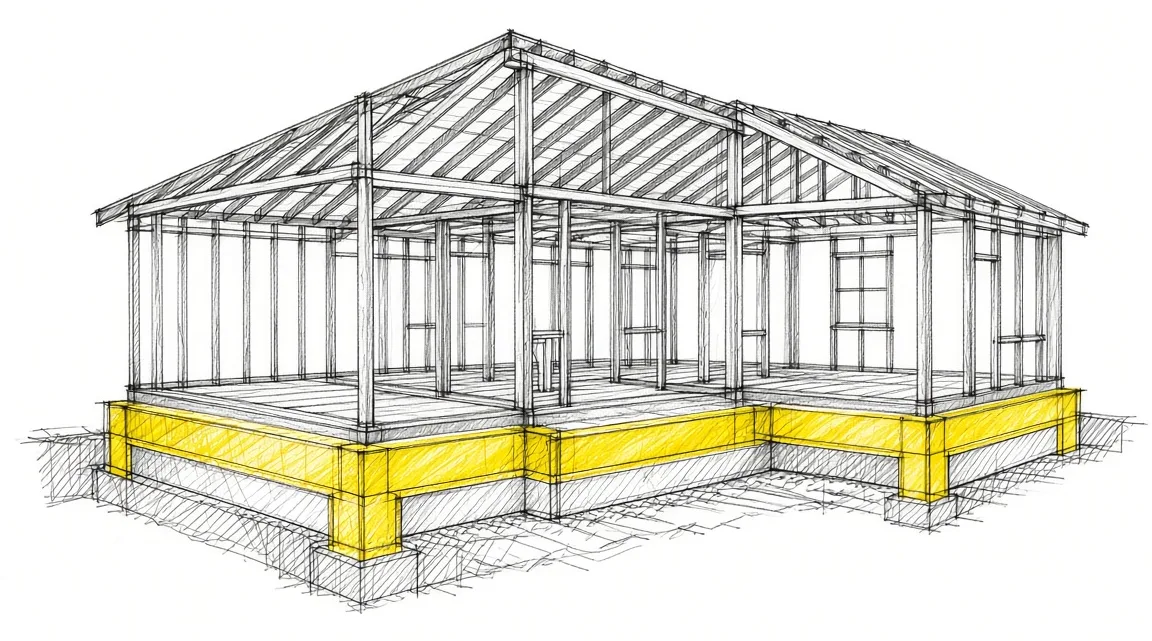
As we went through it, the room found how much was missing. One person had a CRM system. Someone’s pricing was still undocumented. Everyone left with a list of things to do before the next session. Our post on writing your pricing down before a sales system build covers one of them.
Gather your knowledge into one place
The foundation starts with your knowledge. Gather your documents into one place, format them and put them together. Pull the data you already have out of the AI tools you use, repurpose it and create a folder for your knowledge base.

From there, you can use AI to reclassify those documents. Once that is in place, you map out your pipeline. Our post on one folder for your business context covers how to set up that folder.
Build the layers, and the AI layer comes last
After the foundation, you build the layers: a good website, a good CRM, your automation, and then the AI layer.
The AI part comes last in the build. It still sits at the center of the plan, because the plan decides what each layer is for. Our post on capturing all your data for AI covers why the data comes before the AI.
A system for each part of the business
The plan covers more than one system. An AI system for your business, a sales system for your business and a marketing system for your business are separate tracks.
If you have sales locked down, you can come in on marketing or operations. Each track is part of the system that is going to drive your business in 2027, and a business plan becomes one part of what you build.
Your next customer may be an AI agent
Things have changed, and some of the top companies are already building the infrastructure for this. We are seeing the rise of personal AI agents. Your next customer may be an AI agent.
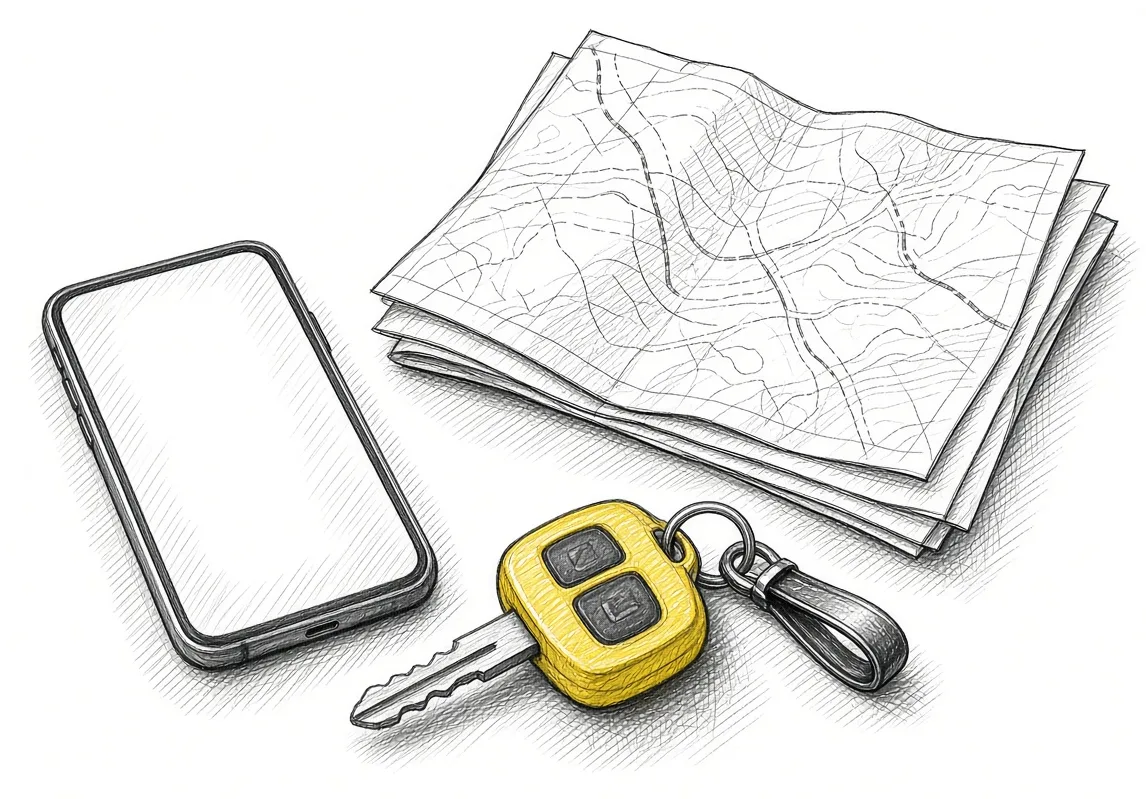
An agent that represents its owner should be able to go online and find your business, understand what you do and access the right information about your business and its different tiers. If its owner wants a sedan with leather seats and a reverse camera, the agent has that exact requirement. The most important part is that it can take action: fill in the form, put in the cart details and buy.
Getting your website ready for agents is one aspect. Behind the scenes, your business needs the whole infrastructure to support it. That belongs in the 2027 plan too.
Takeaways and next steps
- AI is central to how you plan and run your business in 2027.
- A business that left AI out of its 2026 plans can rethink it now.
- The foundation comes first: documents in one place, formatted, and the pipeline mapped.
- The layers follow: website, CRM, automation, and then the AI layer.
- Sales, marketing, operations and AI each have their own track.
- Your website and the infrastructure behind it get ready for AI agents as customers.
Common mistakes with AI in a business plan
1. Adding AI at the end of the plan.
Why it fails: AI becomes an afterthought and the plan runs on last year’s assumptions.
Better approach: Make AI central to how you plan and run the business.
2. Building the AI layer first.
Why it fails: The AI has scattered documents and an unmapped pipeline to work from.
Better approach: Build the foundation, then the website, CRM and automation, then the AI layer.
3. Treating agent readiness as a website task.
Why it fails: The agent finds the business and then stops at the checkout.
Better approach: Plan the infrastructure behind the website so an agent can buy.
Frequently asked questions
Where does AI go in a 2027 business plan?
At the center. It should be central to how you plan and how you run your business in 2027.
What if AI stayed out of my 2026 plans?
This is the time to rethink that and have a strategy and a plan going into 2027.
What comes first in the build?
The foundation: gather your documents into one place, format them and map your pipeline.
When does the AI layer get built?
Last, after a good website, a good CRM and your automation.
What does it mean that my next customer may be an AI agent?
Personal AI agents will go online for their owners, find your business, read the right information and take action, such as buying.
Glossary
- Foundation
- Your documents, data and pipeline gathered, formatted and mapped before anything is built on top.
- AI layer
- The part of a system where AI works on top of your website, CRM and automation.
- Personal AI agent
- An AI agent that acts for one person, such as finding and buying what they need.
- Agent readiness
- Whether an AI agent can find your business, understand it and take action, such as buying.
 AI Readiness Checklist: 7 Questions Before You Build
 The Agent Never-Do List